Tube Roller Calibration with a Dynamic Torque Tester
How to check tube roller torque while the tool runs with a TQM dynamic torque tester: why static checks miss errors, a practical procedure and what to record.
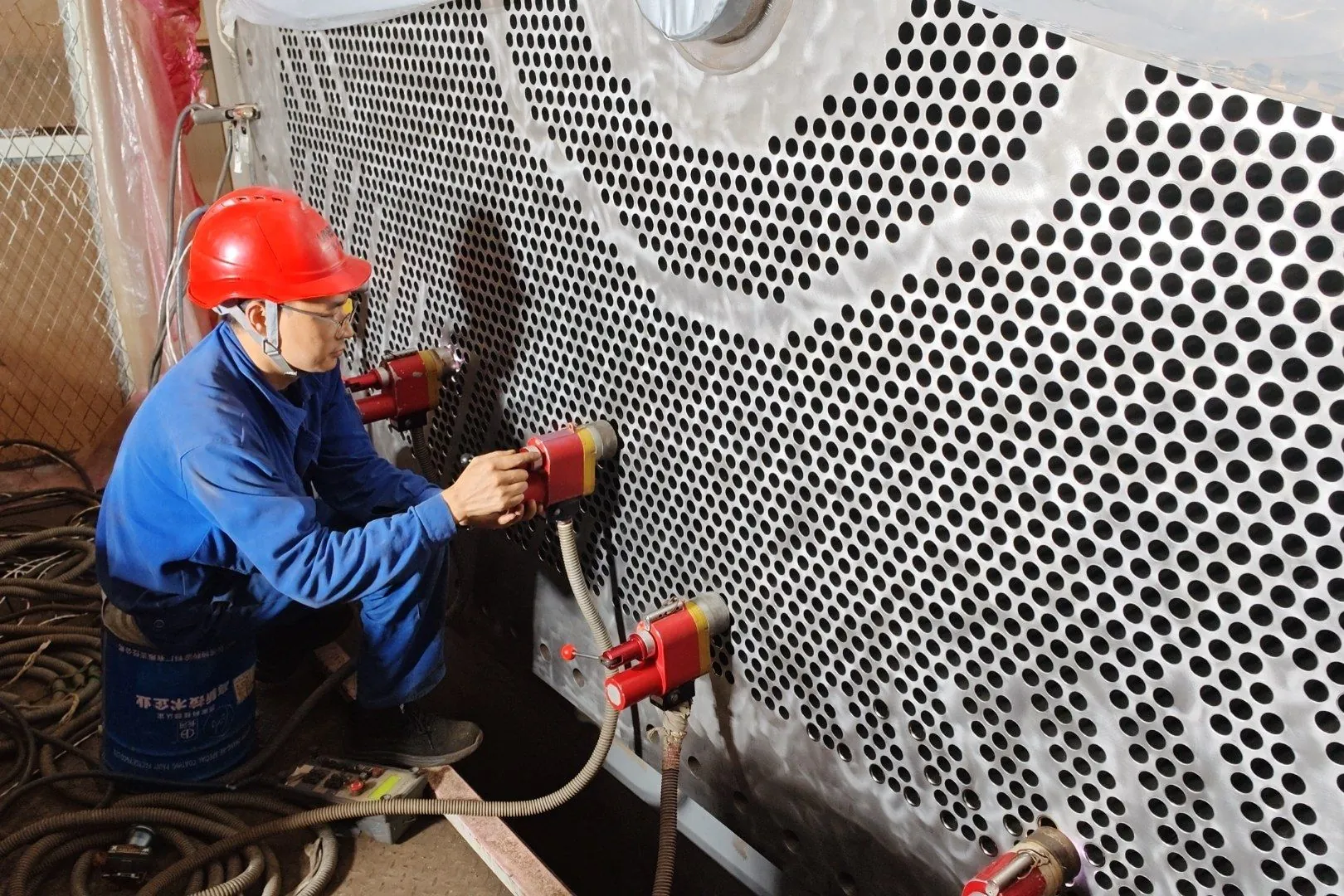
What counts in a tube roller is the torque it actually delivers. The trial-rolling procedure fixes a torque value that produces the required wall reduction; production rolling then relies on the roller reaching that same value on every joint. Tube roller calibration — checking that the set torque and the delivered torque agree — is what connects the two.
Why tube roller torque drifts
Several things can move the delivered torque away from the setting on the controller:
- Supply voltage on site varies, especially on long cable runs or shared generators. Many electric rollers deliver a different torque at different voltages.
- Speed and inertia. At cut-off, the rotating motor, gearbox and expander still carry kinetic energy. The faster the roller runs, the more torque overshoots the set point. This is why torque checks should be done at working speed.
- Wear and heat. Gearbox wear, clutch wear and a hot motor after a long shift all change behaviour.
- Accessories. Universal joints, extensions and long expanders add friction and compliance between the motor and the tube.
Lanbo's SR, SRD and XR servo systems are designed to hold constant torque at any speed, which removes most of the speed and voltage effects. Checking the delivered torque is still part of good practice, for servo and conventional rollers alike.
Static versus dynamic torque checks
A static check — locking the output and loading it slowly — measures the stall torque but not the overshoot at cut-off. In tube rolling, cut-off happens while the expander is turning, so the meaningful value is the dynamic torque: the peak torque the roller produces when it stops at the set point at working speed.
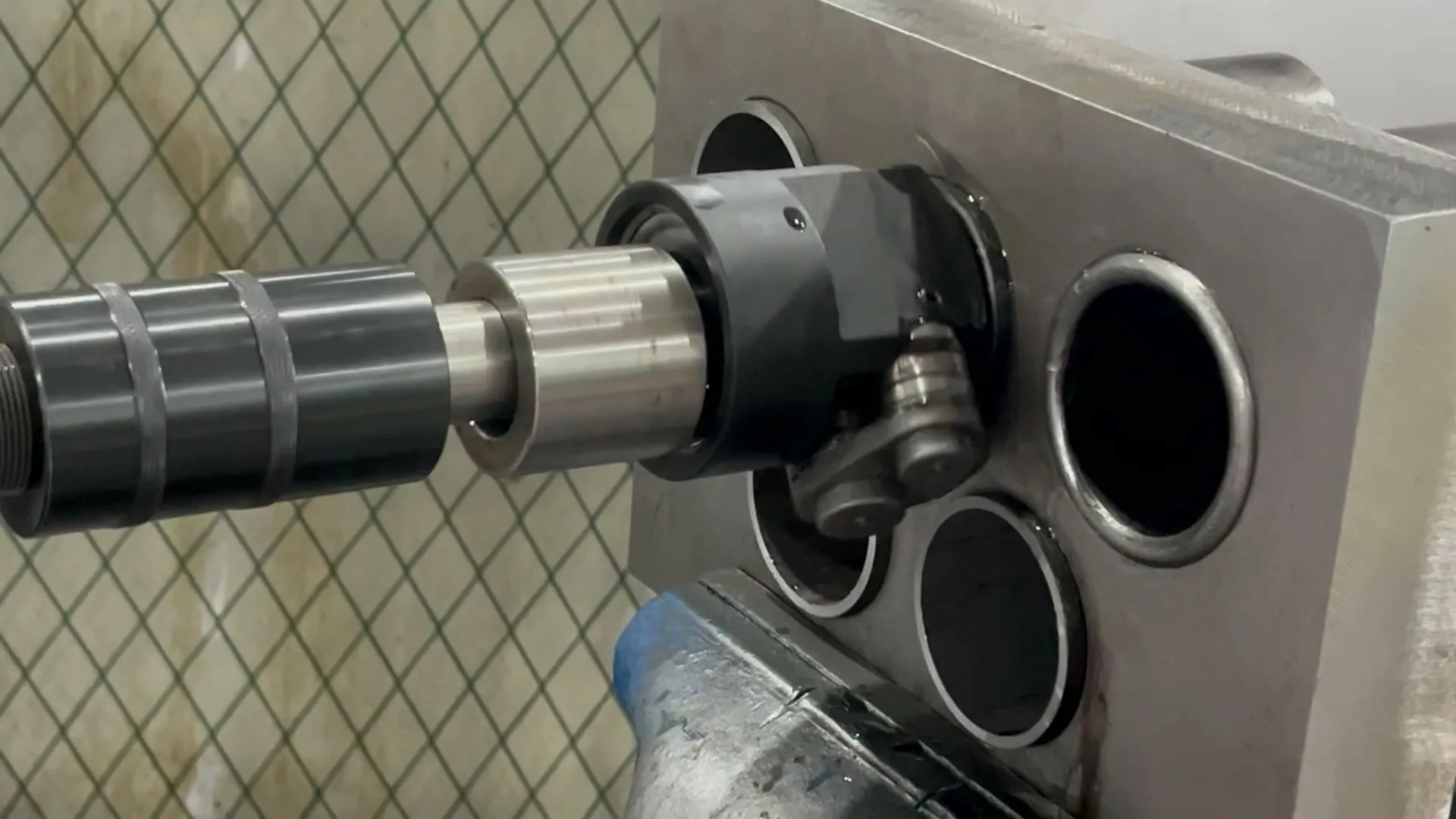
The TQM Series high-speed dynamic torque tester measures torque while the roller runs. It displays live torque, speed and power, covers 0.4–500 N·m across four models, and saves records to a PC through an RS485 interface.
A practical checking procedure
The steps below are a general method; follow your plant's quality procedure where it sets different requirements.
- Choose the TQM model whose range covers the roller's working torque, with the working point well inside the range.
- Connect the roller to the tester with the same adapters or couplings and universal joints used on the job, so their effect is included.
- Set the roller to the torque fixed by trial rolling and to its normal working speed.
- Run several cycles and note the peak torque each time. Look at both the average and the spread between cycles.
- Compare the measured average with the set value. If the difference is outside the tolerance in your procedure, adjust or service the roller and repeat.
- Repeat at other settings if the roller will be used across a range of torques on the job.
- Save the record with the roller serial number, date, settings, measured values and the person who did the check.
When to check
Practical points to check are: before mobilising to a job, after any repair or change of motor or gearbox, when changing from one tube size to another, and at intervals during a long job as defined by the plant's procedure. If rolled joints show unexpected wall reduction, check the roller before changing the torque setting.
Calibration as part of traceability
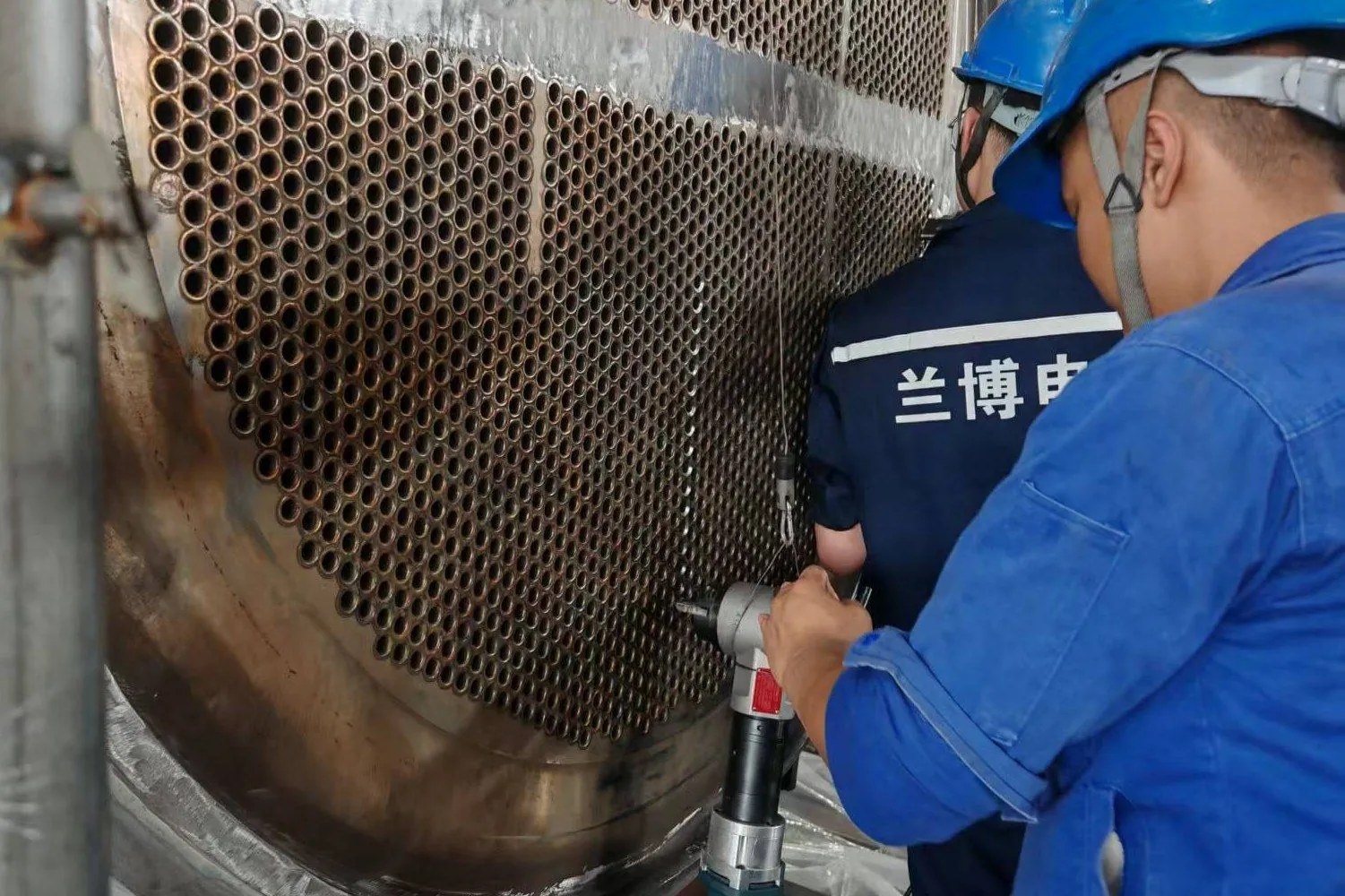
Joint quality comes down to repeatability and traceability. Servo systems and the ES2 Series electric tube roller record each joint's torque. A torque-tester record shows that the torque those joints were rolled at was what the roller reported. With Lanbo's software, SR, SRD and XR joint records can be imported into the plant's MES, and roller check records kept with them give a complete picture of the job.
Lanbo tools for this job
- TQM Series High-Speed Dynamic Torque Tester — 0.4–500 N·m, four models, RS485 records
- SR Series Servo Tube Rolling System — constant torque with per-joint records
- ES2 Series Electric Tube Roller — electric roller with rolling records
- Adapters, Couplings and Universal Joints — test with the same drive train used on site
Tell us which rollers you use, their torque range, and the tube material, OD × wall and tubesheet thickness of your next job, and we will suggest a suitable TQM model and checking setup. Request a quote.
FAQ
What is the difference between a static and a dynamic torque check?
A static check measures torque at stall. A dynamic check measures the peak torque while the roller turns and cuts off at working speed, which includes inertia overshoot — the condition that applies in real tube rolling.
Which TQM model do I need?
The TQM Series covers 0.4–500 N·m in four models. Choose the model whose range covers your roller's working torque, with the working point well inside the range.
Do servo tube rollers still need torque checks?
Servo systems hold constant torque at any speed, which removes most drift. A periodic dynamic check still confirms the delivered torque and gives a record for the job file.
Can the TQM test records be stored?
Yes. The TQM connects through RS485 and saves records on a PC, so results can be kept with the job's quality documents.