How to Choose a Tube Roller: Servo, Electric, Air or Hydraulic
Choosing a tube roller by tube size, tube material and site conditions: when to use servo, electric, air-driven or hydraulic drives, with torque ranges.
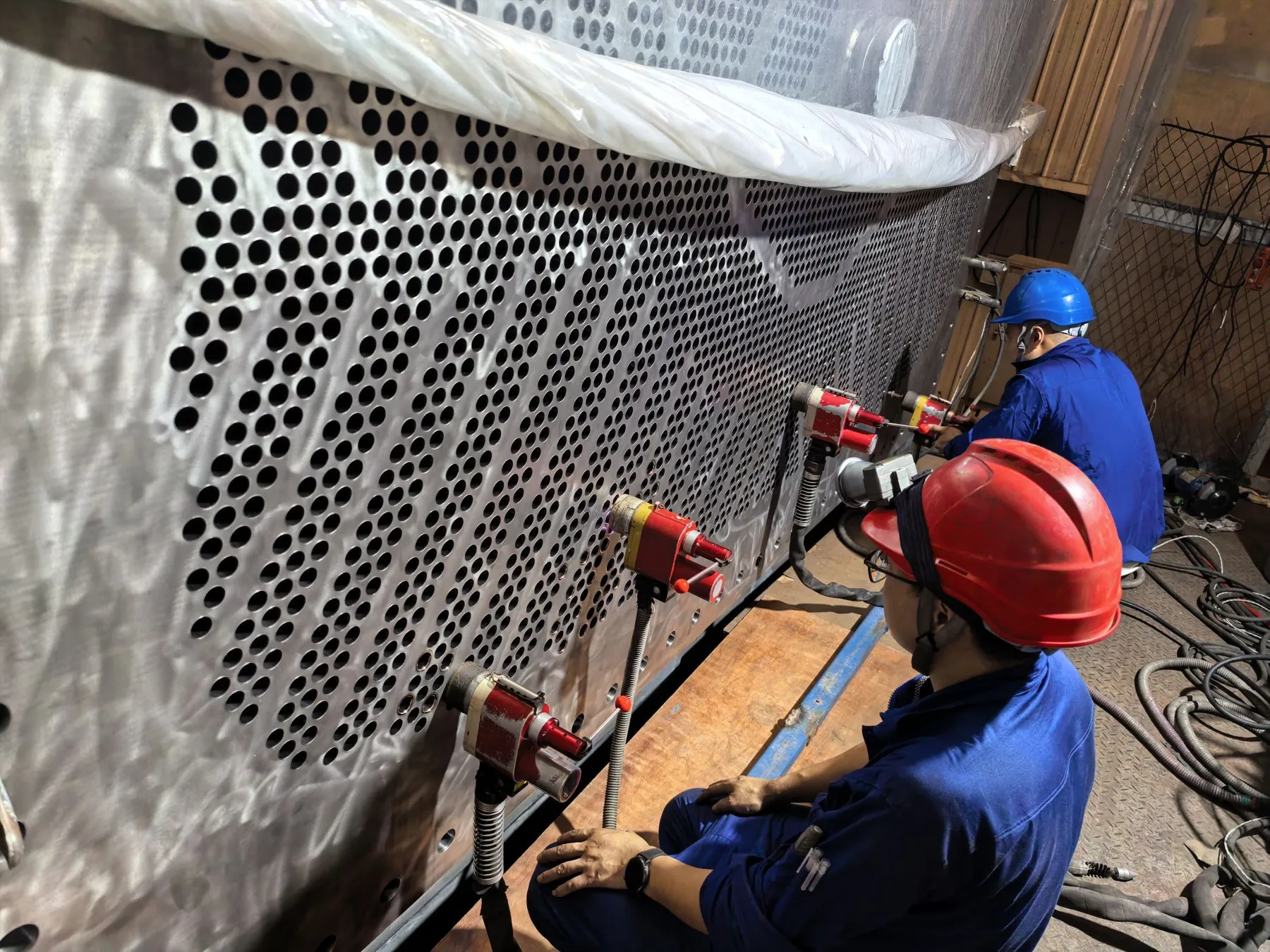
A tube roller is the drive that turns the expander and stops at a set torque. Choosing one is mostly a matter of matching three things: the tube size and wall (which sets the torque you need), the tube material (which sets how tightly torque must be controlled), and the site (power supply, hazardous area classification, access and the number of joints). This guide walks through those decisions and the drive types Lanbo makes.
Step 1: Start from tube size and required torque
The required torque rises steeply with tube OD and wall thickness. A useful first filter is to check that the roller's torque range covers the value you expect from trial rolling, with the working point away from the very ends of the range.
| Tube range | Typical drive | Lanbo examples (torque) |
|---|---|---|
| Small tubes, condensers, HVAC coils | Servo or compact electric | SR / SRD 0.2–77.9 N·m; EP500 0.4–24 N·m |
| Medium tubes, heat exchangers | Electric or servo | ES / ES2 2–200 N·m by motor (right-angle up to 500 N·m); P1ZD-25 5–25 N·m |
| Large / thick-wall tubes | High-torque servo, electric or hydraulic | XR 5–300 N·m; HyDrive 64–1030 N·m; DZ-C up to 3500 N·m |
For tubes from Φ45 to Φ159 mm, the DZ-C electric tube rollers cover three ranges: DZ-C 76 (Φ45–Φ76 mm, 1200 N·m), DZ-C 108 (Φ76–Φ108 mm, 2000 N·m) and DZ-C 159 (Φ109–Φ159 mm, 3500 N·m). For large tubes where access is tight, right-angle models of the ES Series reach up to 500 N·m. For motor life we recommend working at about 400 N·m or below; running at 500 N·m shortens motor life considerably.
Step 2: Consider the tube material
Copper alloy and carbon steel tubes tolerate some variation in rolling torque. Titanium, thin-wall stainless and other sensitive tubes do not: small torque differences show up as overthinning or underrolled joints. For these materials, and for any job where joint records are required, a servo system is the safer choice.
Servo tube rolling systems
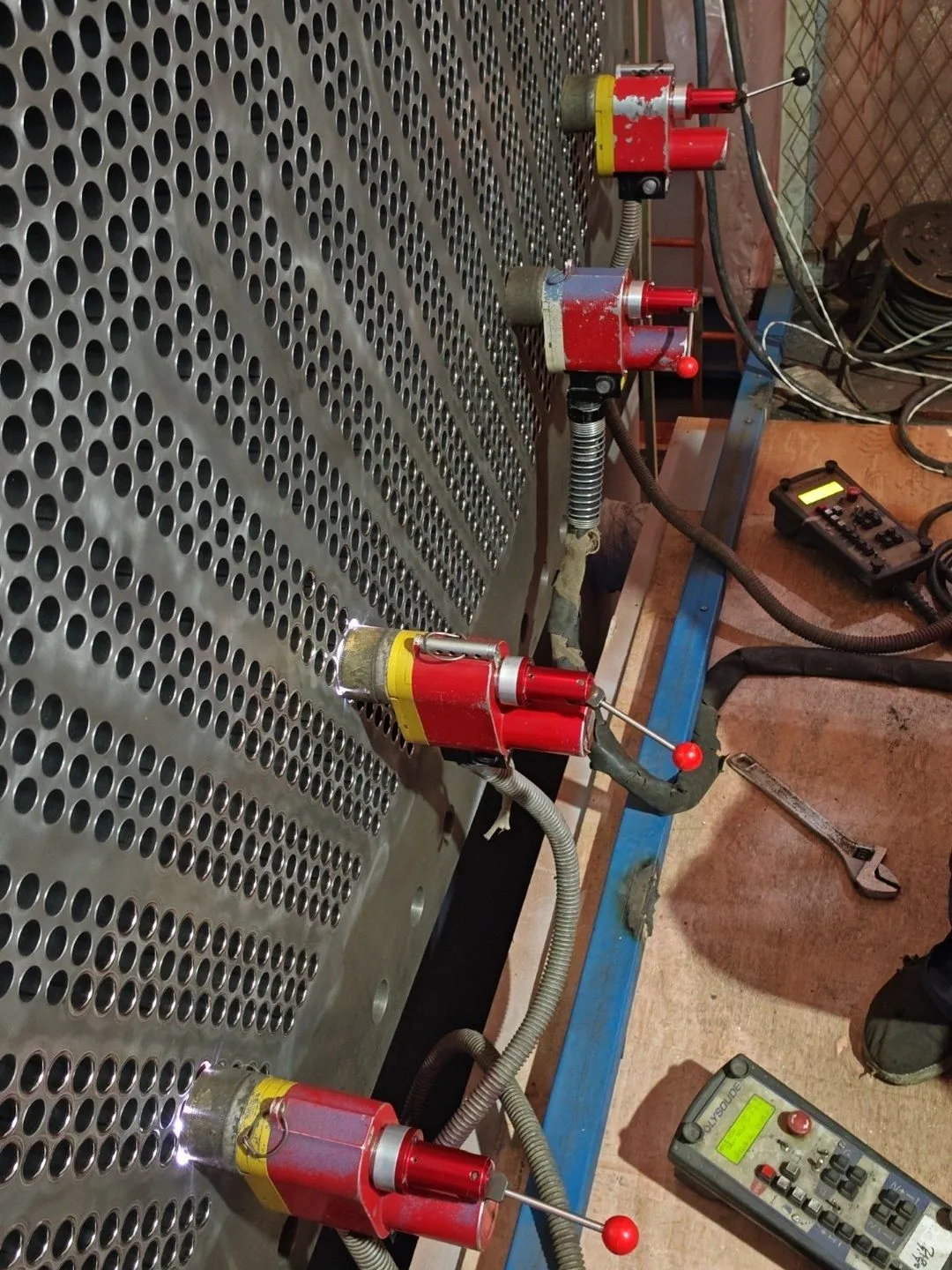
The SR Series, SRD Dual Servo Motor system and XR Series hold constant torque at any speed and record every joint. Records can be imported into the plant's MES using Lanbo's software. The SRD works two motors over a 1500 × 1800 mm working window; the XR has a telescopic shaft, a 1000 × 1000 mm working window and covers tube OD φ12.7–φ101.6 mm.
Electric tube rollers
Electric rollers are simple to carry and set up. The ES2 Series adds a touch screen with rolling records, which gives a record of joints without a full servo system. The EP500 has two speeds (1500 / 500 rpm) and weighs 3.1 kg with battery, useful where cables are a nuisance. The ESD dual motor roller (2 × 700 W, 12–30 N·m) rolls two tubes at once.
Step 3: Check the site conditions
Hazardous areas
In refineries, chemical plants and other areas where sparks are not allowed, use a drive without electric motors at the tool:
- 850 Series air-driven tube rollers — spark-free pneumatic drive, 2.49–35.6 N·m, 400–1100 rpm, 4.76 kg.
- HyDrive hydraulic tube rollers — explosion-proof build, tube OD φ25.4–114.3 mm, 64–1030 N·m.
Confirm the site's hazardous-area rules with the plant safety department before mobilising any equipment.
Access and operator load
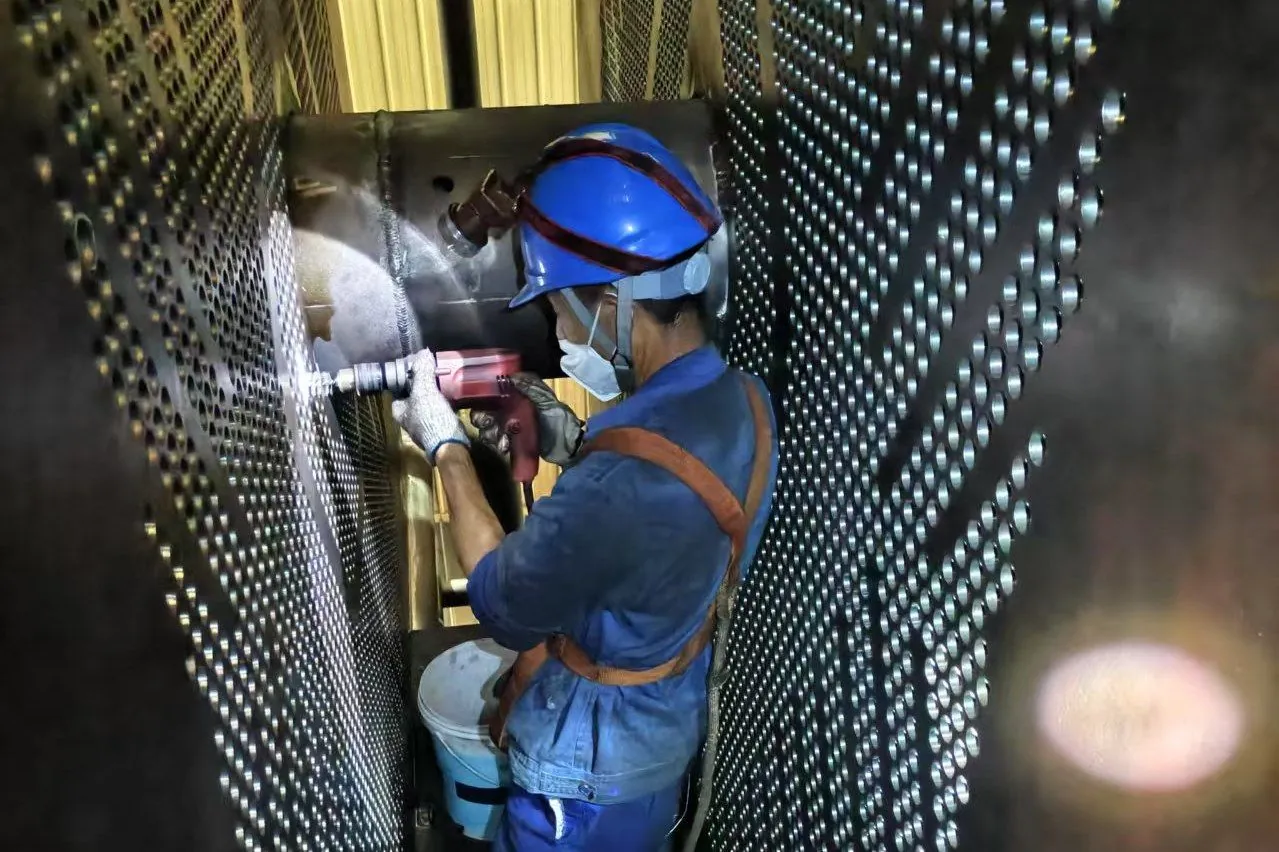
Large rollers and long expanders put reaction torque into the operator's arms. A PHJ-1500 pneumatic balancing stand carries the roller over 1500 mm on each axis and takes up to 150 N·m reaction torque, which reduces fatigue and keeps the expander square to the tubesheet.
Number of joints and records
A short repair of a few dozen tubes and a full condenser retube are different jobs. For full retubes, the time saved by multi-motor servo systems and the value of per-joint records usually outweigh the higher equipment cost.
Lanbo tools for this job
- SR Series Servo Tube Rolling System — small and medium tubes, constant torque, per-joint records
- XR Series High-Torque Servo Tube Roller — 5–300 N·m
- ES2 Series Electric Tube Roller — electric with rolling records
- DZ-C 159 Electric Tube Roller — large thick-wall tubes to Φ159 mm
- 850 Series Air-Driven Tube Rollers and HyDrive Hydraulic Tube Rollers — hazardous areas
Send us the tube material, tube OD × wall, tubesheet thickness, number of tubes and any site restrictions, and we will recommend a roller and expander combination. Request a quote.
FAQ
Which tube roller should I use for titanium condenser tubes?
A servo system such as the SR or SRD, because it holds the set torque at any speed and records each joint. Titanium is sensitive to overrolling, so consistent torque matters.
What roller handles tubes over 100 mm OD?
The DZ-C 108 covers Φ76–Φ108 mm and the DZ-C 159 covers Φ109–Φ159 mm. The HyDrive hydraulic roller covers φ25.4–114.3 mm where an explosion-proof drive is needed.
Can I use an electric roller in a hazardous area?
Use the 850 Series air-driven roller (spark-free) or the HyDrive hydraulic roller (explosion-proof build) instead, and follow the site's hazardous-area permit rules.
Do electric rollers keep joint records?
The ES2 Series records joints on its touch screen. Full per-joint traceability with MES import is provided by the SR, SRD and XR servo systems.